
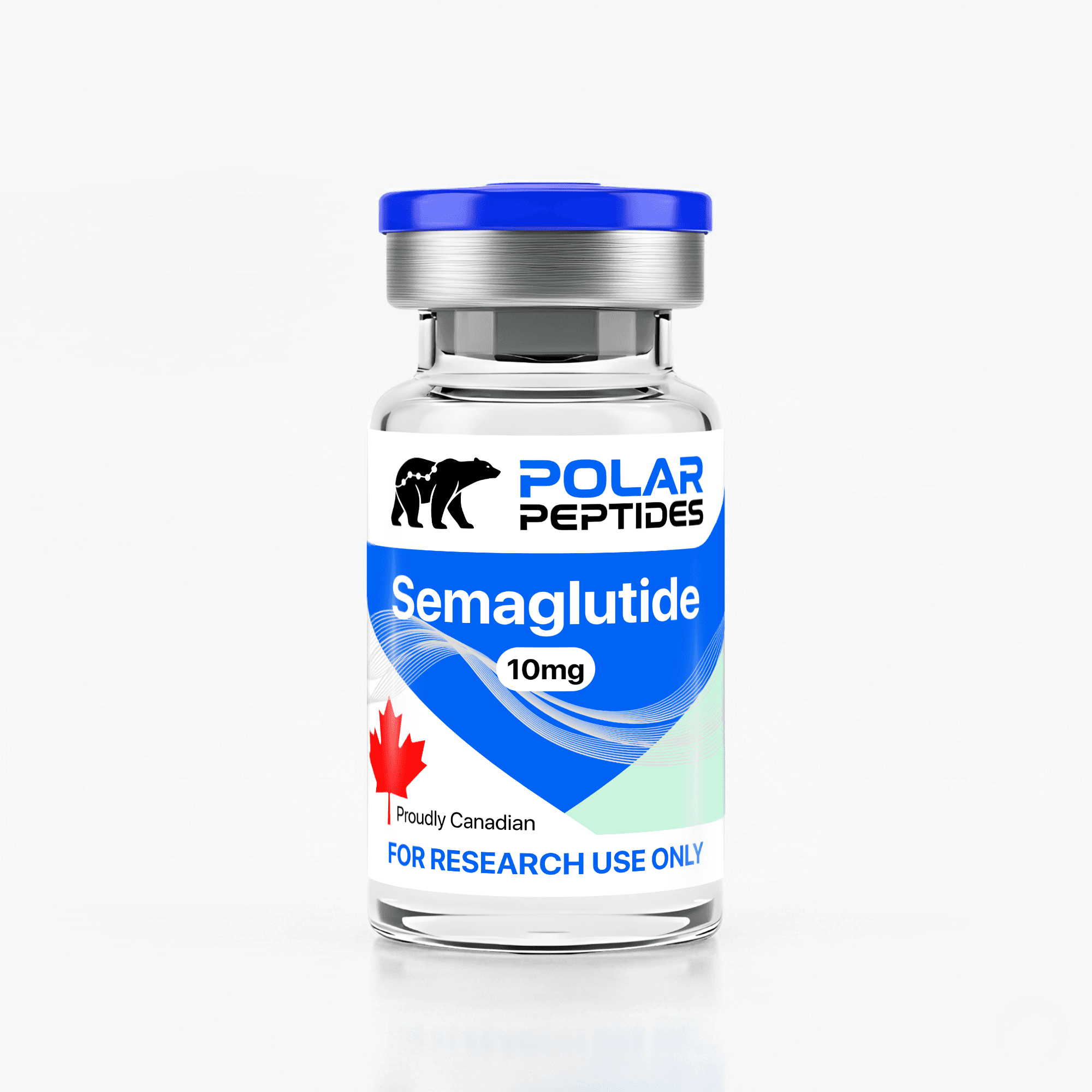
 99%+ purity
Semaglutide
★★★★★4.9 — customer reviewsSemaglutide is a GLP-1 analogue. One of the most extensively studied peptides in the context of glucose, appetite and body-weight regulation.
- Purity
- 99%+
For laboratory research use only. Not for human consumption, medical or diagnostic use.
About Semaglutide
Semaglutide is a synthetic peptide analogue of glucagon-like peptide-1 (GLP-1), consisting of a linear chain of 31 amino acids. The molecule is modified with a fatty diacid (C18) attached via a linker, which allows it to bind tightly to plasma albumin and substantially prolongs its circulation time compared with native GLP-1. In this catalogue, semaglutide is offered as a reagent for laboratory in vitro research and preclinical experiments only.
How it works
Semaglutide acts as a GLP-1 receptor agonist: it binds to the receptor on the cell surface and, via a stimulatory G protein, activates adenylate cyclase, raising the intracellular level of cAMP. In research models this leads to glucose-dependent enhancement of insulin secretion by β-cells, suppression of excessive glucagon release and slowing of gastric emptying. A substitution at position 8 (Aib) protects the peptide from degradation by the DPP-4 enzyme, while albumin binding shields it from renal filtration, which together extend the half-life to approximately 7 days.
What's studied / benefits
- In preclinical and clinical studies (the STEP programme), semaglutide showed pronounced and sustained reductions in body weight and waist circumference through a central effect on appetite and satiety.
- The SELECT trial demonstrated an approximately 20% reduction in the risk of major cardiovascular events in an overweight population; the SUSTAIN-6 and PIONEER-6 studies confirmed cardiovascular safety.
- Improvement of cardiometabolic parameters: fasting glucose and HbA1c, lipid profile, blood pressure and inflammatory markers in research analyses.
- In liver studies, a reduction in steatosis and improvements in liver enzymes and signs of non-alcoholic steatohepatitis (NASH) were observed.
- Preliminary data point to potential renoprotective and neuroprotective effects, which are currently being investigated in controlled trials.
Research applications
- Studying the GLP-1 receptor signalling pathway and the regulation of glucose-dependent insulin secretion in vitro.
- Research models of obesity, appetite control and energy balance.
- Experimental work on glucose metabolism, type 2 diabetes and cardiometabolic risk factors.
- Exploratory preclinical research in hepatology (NASH), nephroprotection and neurodegenerative conditions (Alzheimer's disease, dementia).
Of interest to: The product is of interest to researchers in metabolism, endocrinology and pharmacology, as well as laboratories and scientific institutions studying the mechanisms of action of GLP-1 agonists in vitro and in preclinical models.
- Class
- GLP-1 receptor agonist (peptide analogue, 31 amino acids)
- Molecular weight
- approximately 4113.6 Da; formula C187H291N45O59
- Half-life
- approximately 7 days (about 168 hours)
- Storage
- lyophilisate — keep dry below -18 °C; after reconstitution — 2–7 days at 2–7 °C, for long-term storage below -18 °C
This information is for educational purposes only and is not medical advice. Semaglutide is intended for laboratory research use only — not for human consumption, medical or diagnostic use.
Related products
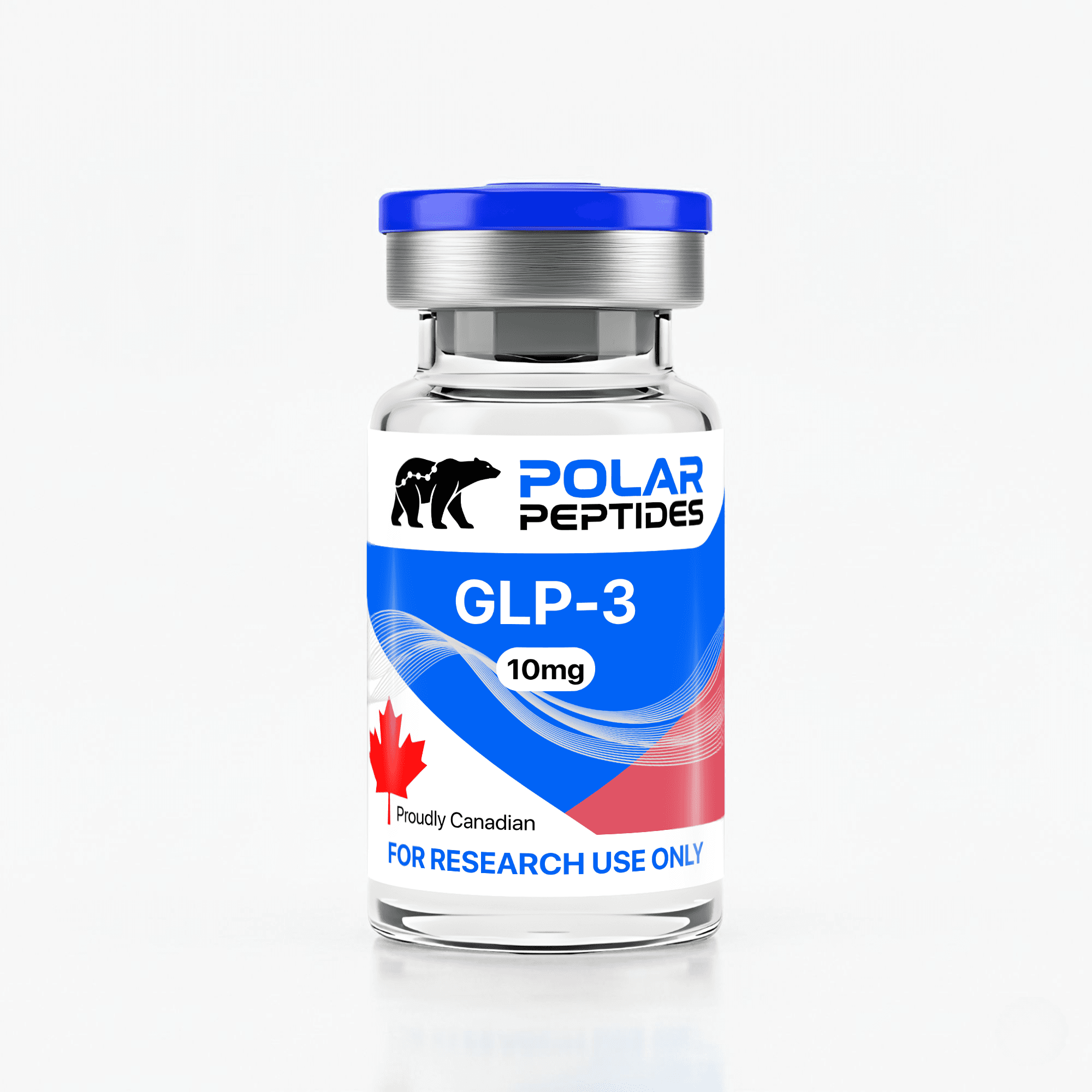 99%+ purity
GLP-3 / RT
RT — a next-generation research peptide for studying metabolism and weight.
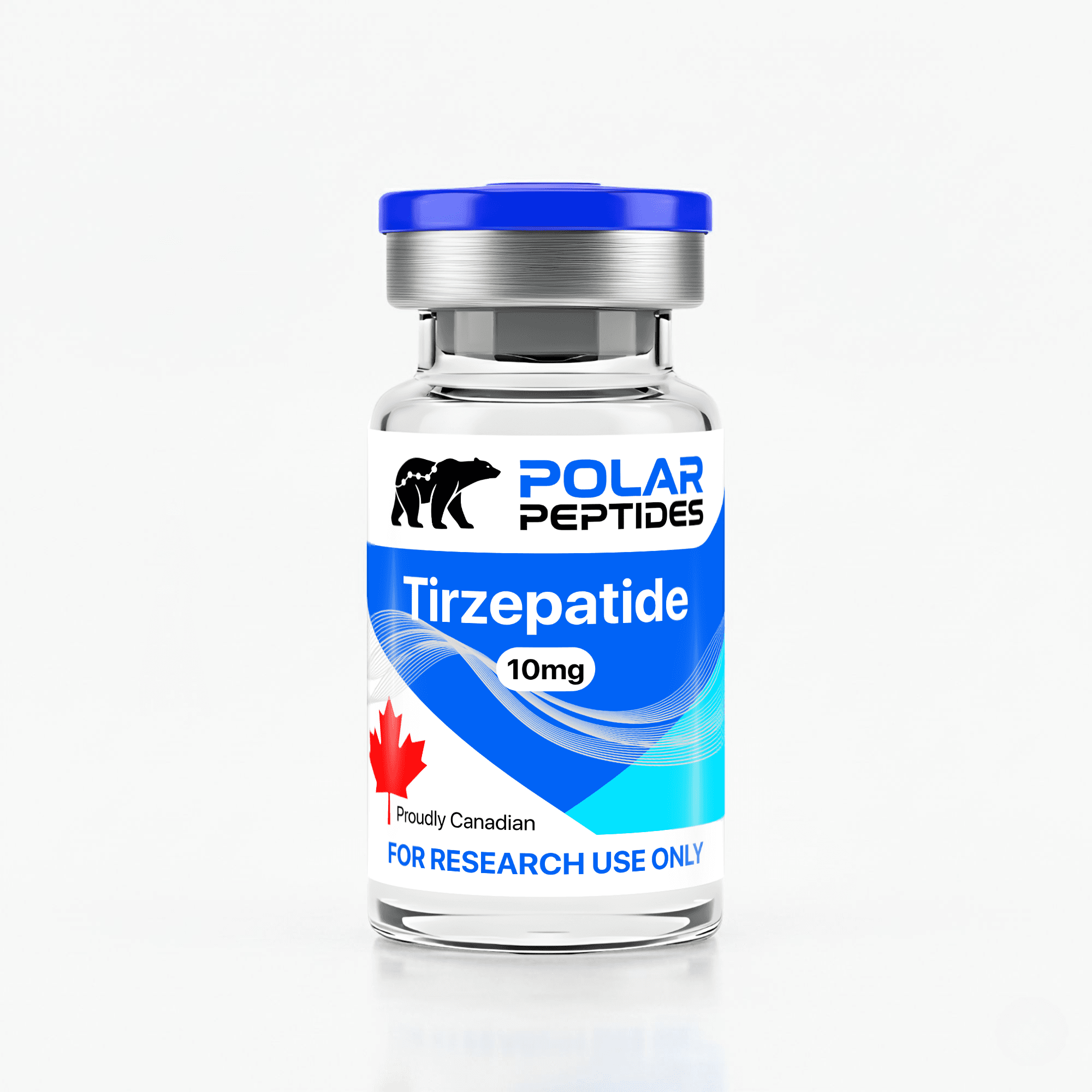 99%+ purity
Tirzepatide
A Mounjaro analog — one of the most potent metabolic peptides for weight research.
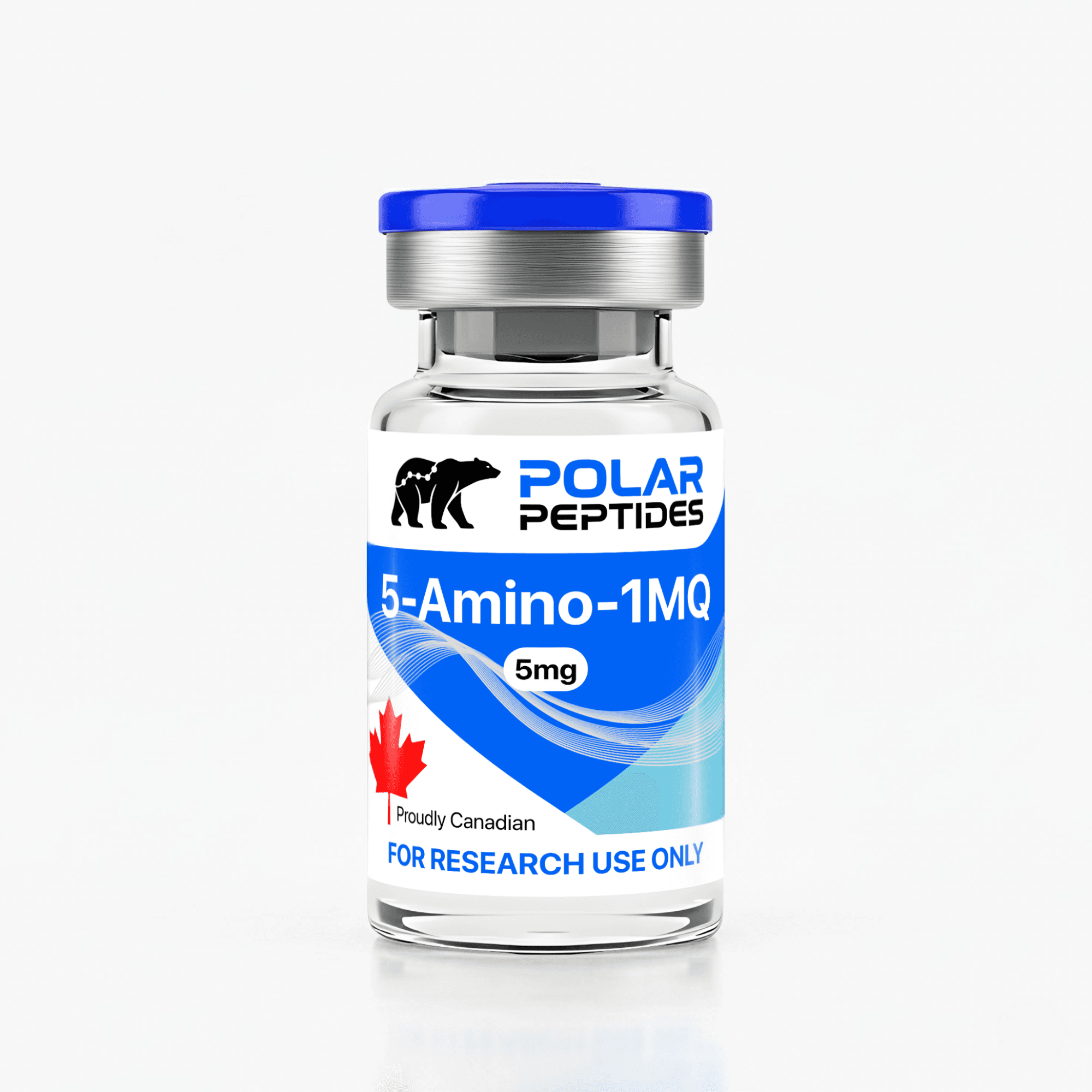 99%+ purity
5-Amino-1MQ
A small molecule — an NNMT inhibitor for metabolism research.
 99%+ purity
MOTS-c
A mitochondrial peptide for research into energy metabolism.