
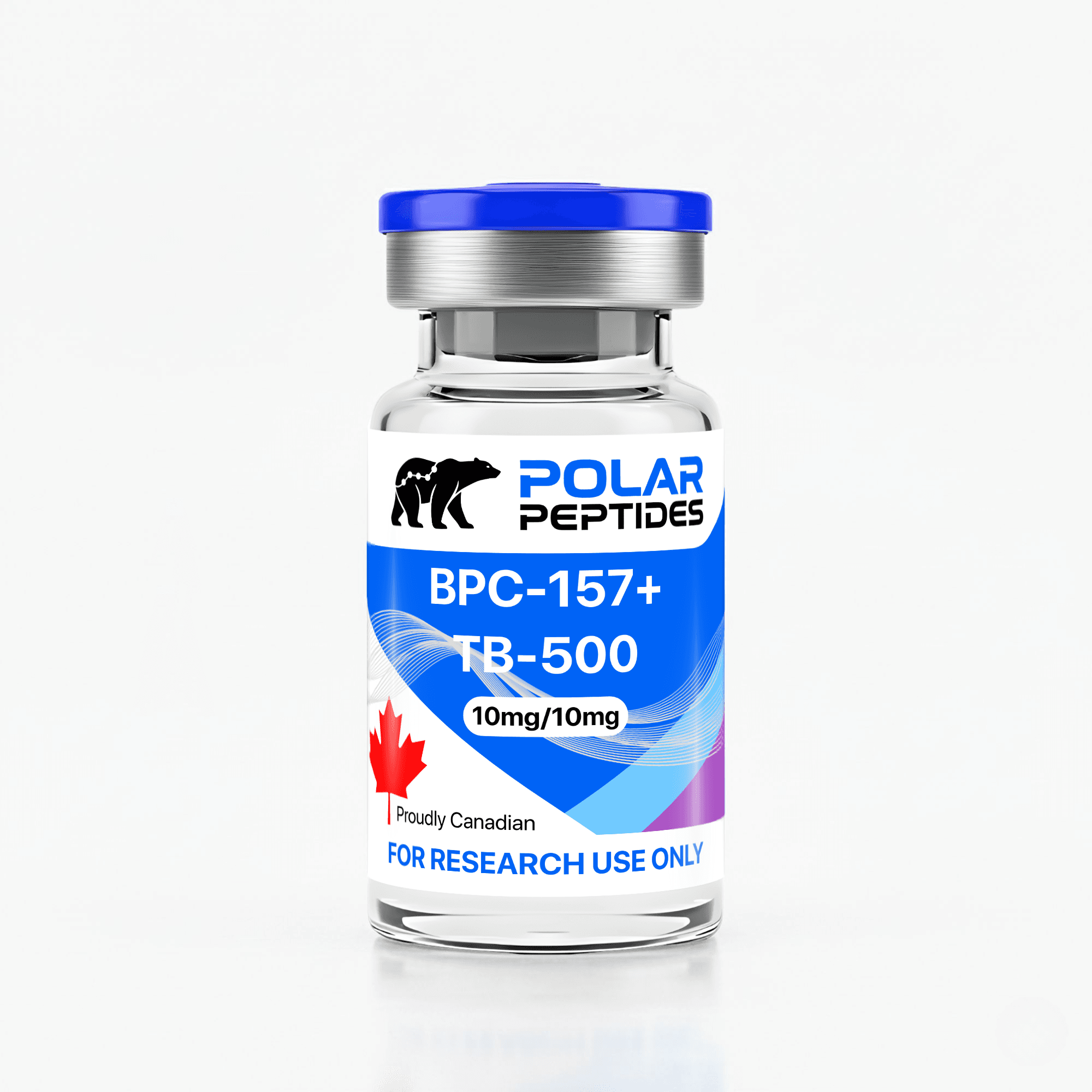
 99%+ purity
BPC-157 + TB-500
★★★★★4.9 — customer reviewsA ready-made combination of BPC-157 and TB-500 — two peptides that are frequently researched together in the context of synergy in the recovery of tissues and ligaments.
- Purity
- 99%+
For laboratory research use only. Not for human consumption, medical or diagnostic use.
About BPC-157 + TB-500
BPC-157 + TB-500 is a combination (stack) of two synthetic research peptides. BPC-157 (Body Protection Compound) is a stable pentadecapeptide of 15 amino acids (sequence Gly-Glu-Pro-Pro-Pro-Gly-Lys-Pro-Ala-Asp-Asp-Ala-Gly-Leu-Val), derived from a protective protein found in gastric juice. TB-500 is a synthetic analog (fragment) of the naturally occurring peptide thymosin beta-4 (Tβ4). The product is intended solely for laboratory research and is not a medicinal product.
How it works
In research, both peptides act on different but complementary stages of tissue repair. BPC-157 works mainly locally: it activates angiogenesis via the VEGFR2-PI3K-Akt-eNOS and Src-Caveolin-1-eNOS pathways (the formation of nitric oxide and new blood vessels), increases the expression of the growth hormone receptor in tendon fibroblasts, and engages the FAK-paxillin signaling pathway to drive cell migration. TB-500 acts more systemically: it binds monomeric G-actin through the LKKTET domain, thereby stimulating the migration of endothelial, epithelial, and progenitor (stem) cells to the site of injury, along with angiogenesis and anti-inflammatory effects. The combination is studied precisely for this synergy — BPC-157 provides local stabilization and collagen synthesis, while TB-500 mobilizes reparative cells throughout the body.
What's studied / benefits
- In preclinical (mostly rat) models, it accelerates the healing of tendons, ligaments, and muscles — including the Achilles tendon — with increased collagen synthesis
- Stimulates angiogenesis — the formation of new blood vessels — which improves blood supply and the delivery of nutrients to damaged tissue
- In studies, it demonstrates anti-inflammatory properties and modulation of the inflammatory cascade in the early phases of healing
- In models, BPC-157 shows a gastroprotective effect — protecting and restoring the mucous membrane of the gastrointestinal tract
- TB-500 promotes the mobilization of progenitor cells and cell migration, which in theory supports tissue regeneration and elasticity
Research applications
- Laboratory study of soft-tissue repair mechanisms — tendons, ligaments, muscles
- Research into angiogenesis and cell migration in wound-healing models
- Study of gastroprotection and restoration of the GI tract mucosa (mainly for BPC-157)
- Research into the synergy of the two peptides across the different phases of healing (inflammation, proliferation, remodeling)
Of interest to: The combination is typically of interest to researchers in regenerative biology, as well as athletes and biohackers who follow the scientific data on tissue recovery — while the product is sold exclusively for laboratory research and not for human use.
- Class
- Synthetic peptides: BPC-157 — a pentadecapeptide (15 amino acids); TB-500 — an analog of thymosin beta-4
- Regulatory status
- Not approved by the FDA/EMA; classified as research compounds (research chemicals)
- Level of evidence
- Predominantly preclinical animal studies; clinical data in humans are limited
- Storage
- Lyophilized powder — in a cool, dark place; after reconstitution — in the refrigerator
This information is for educational purposes only and is not medical advice. BPC-157 + TB-500 is intended for laboratory research use only — not for human consumption, medical or diagnostic use.
Related products
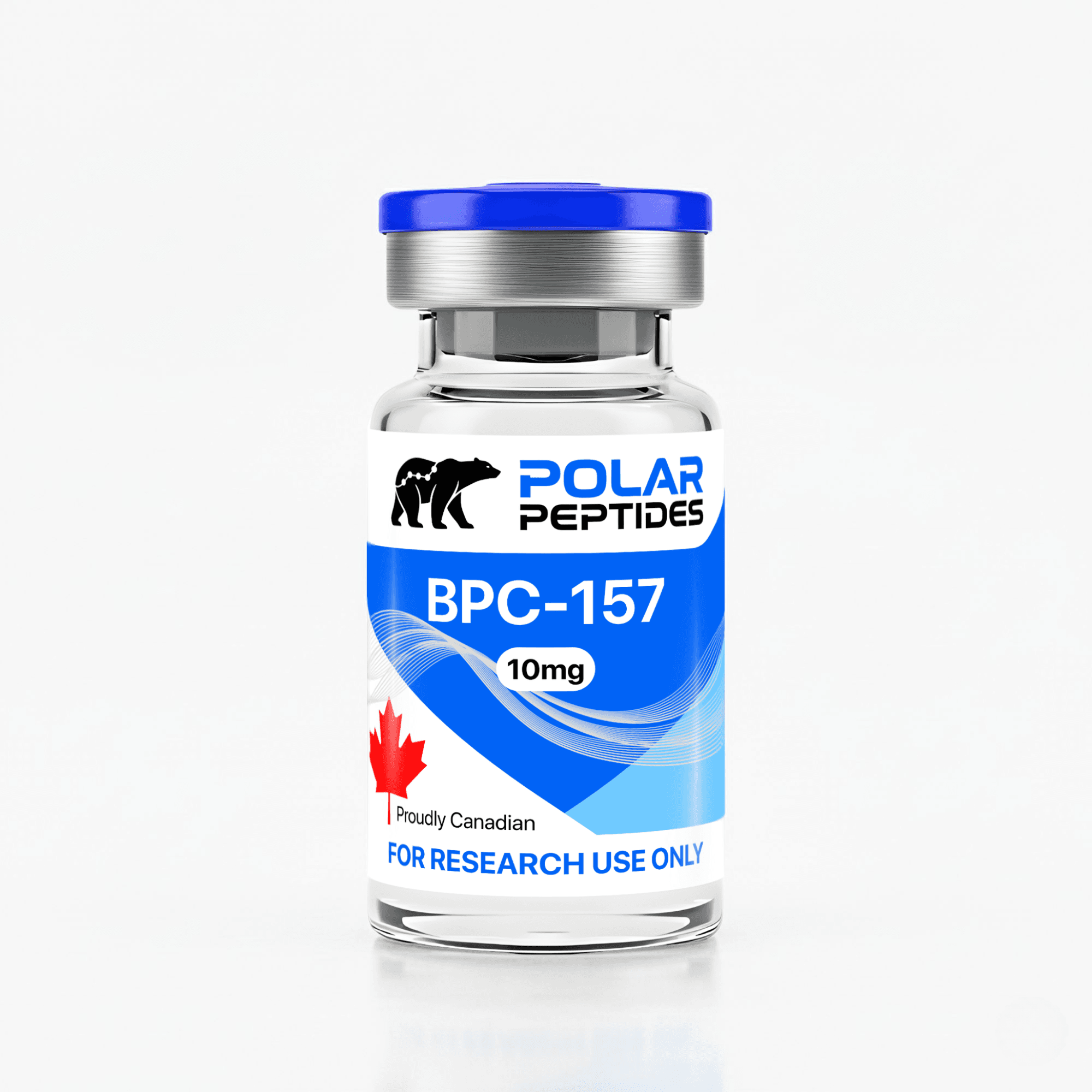 99%+ purity
BPC-157
A synthetic peptide that supports tissue healing through angiogenesis and growth factors.
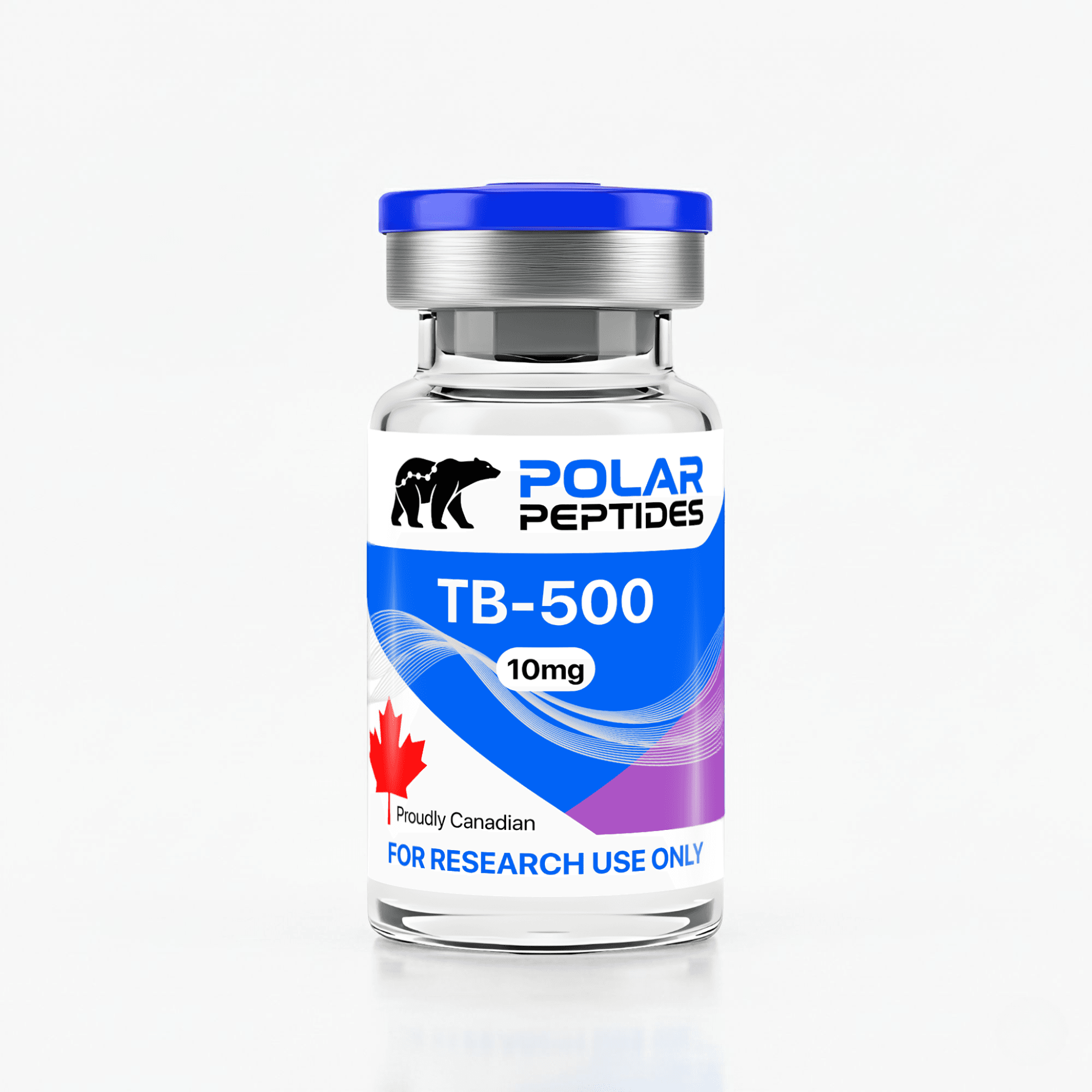 99%+ purity
TB-500
A thymosin beta-4 fragment studied in the context of tissue regeneration and flexibility.
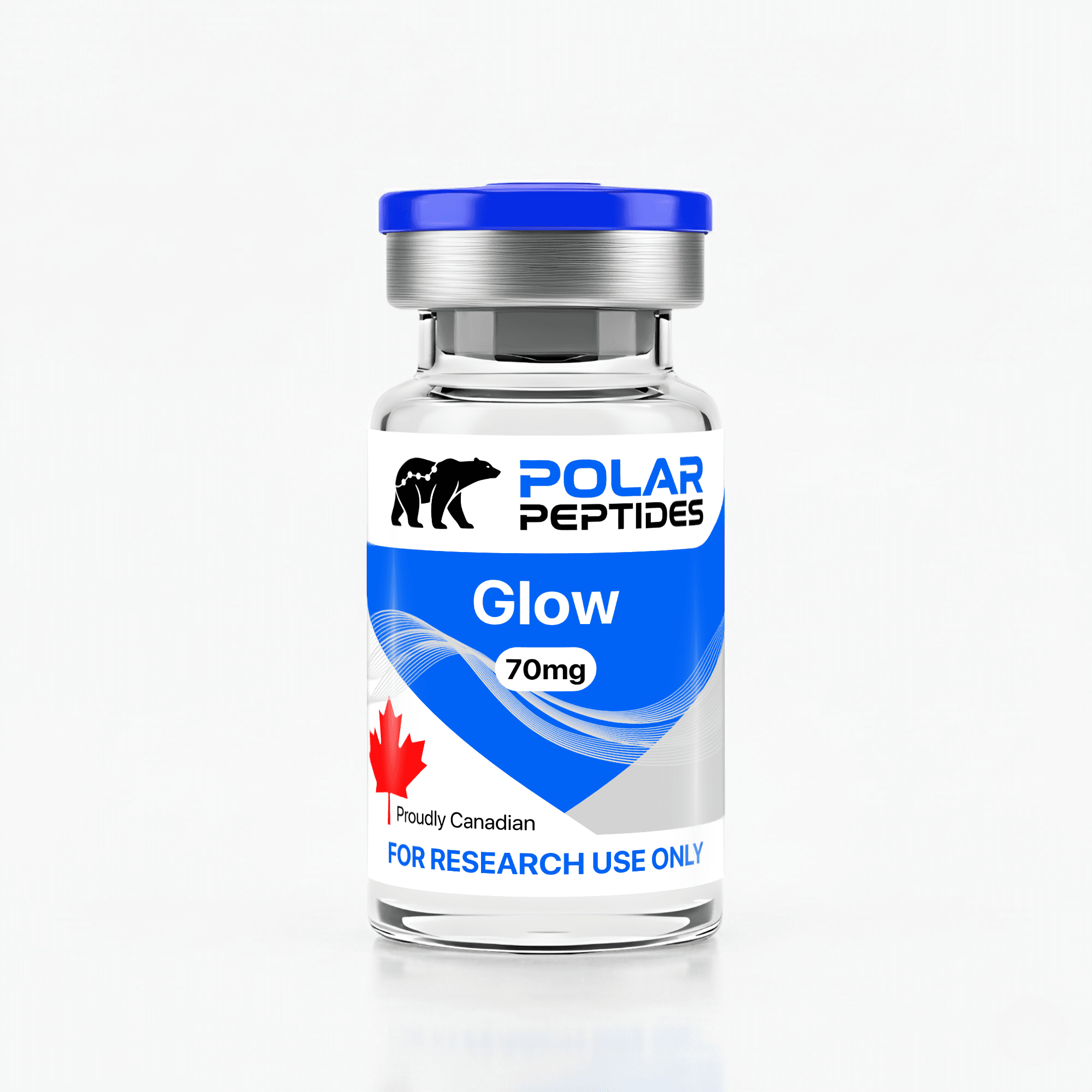 99%+ purity
Glow
A comprehensive blend for recovery, skin and overall vitality.