
 99%+ purity
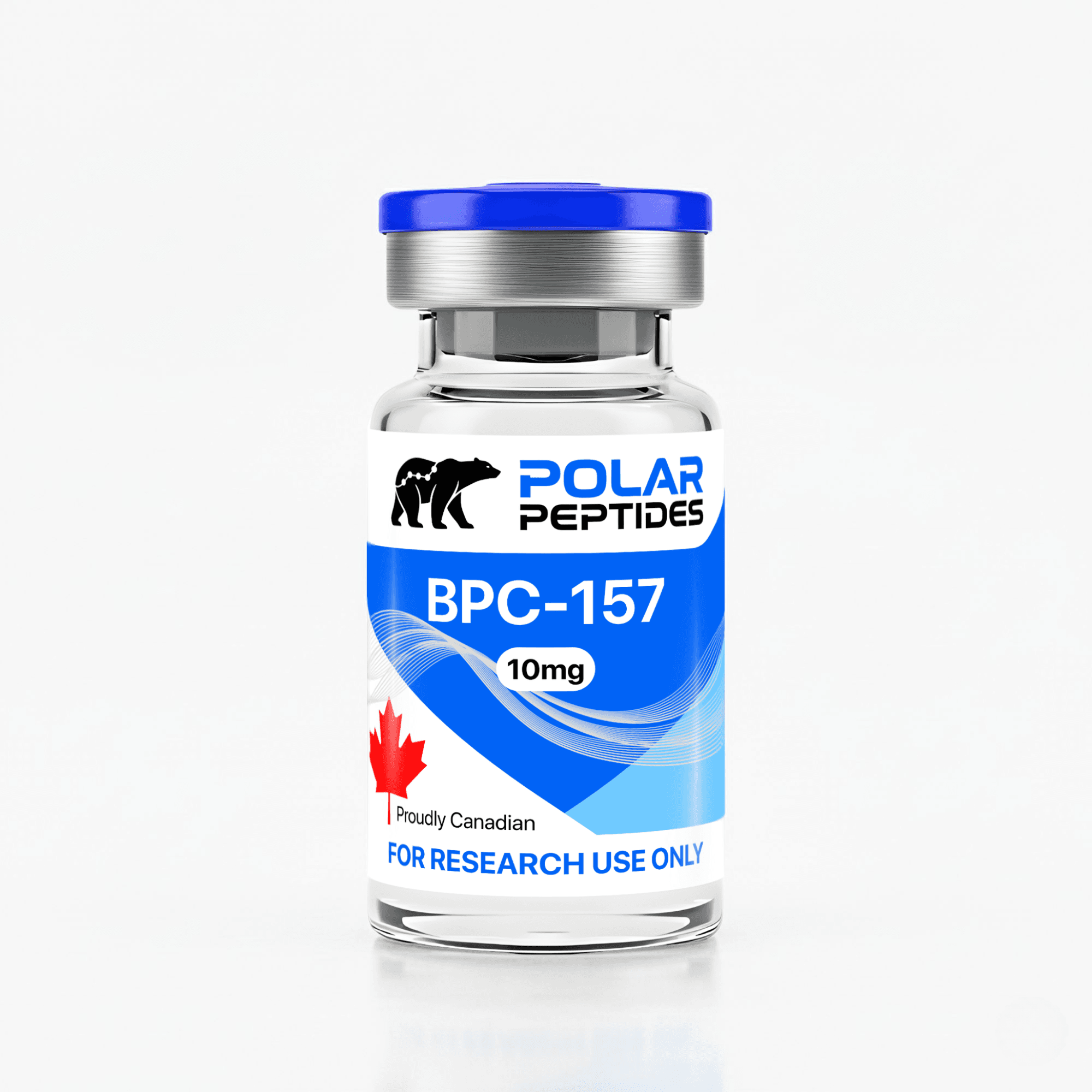
BPC-157
★★★★★4.9 — customer reviewsBPC-157 is a synthetic peptide derived from a protective protein found in gastric juice. In research it is associated with accelerated recovery of soft tissue, ligaments and tendons through enhanced angiogenesis and growth-factor expression.
- Molecular formula
- C62H98N16O22
- Molecular weight
- ≈1419.54 g/mol
- Purity
- 99%+
- Storage
- Lyophilized powder — dry/cool; 2–8 °C after reconstitution
For laboratory research use only. Not for human consumption, medical or diagnostic use.
About BPC-157
BPC-157 (Body Protection Compound-157) is a synthetic pentadecapeptide — a chain of 15 amino acids (sequence Gly-Glu-Pro-Pro-Pro-Gly-Lys-Pro-Ala-Asp-Asp-Ala-Gly-Leu-Val). It was isolated as a fragment of a protective protein found in human gastric juice and was first described by a Croatian research group led by Predrag Sikirić in the 1990s. It is sold strictly for laboratory research and is not an approved medicinal product.
How it works
In preclinical models, BPC-157 is studied primarily as a modulator of angiogenesis — the formation of new blood vessels, notably through the VEGFR2 receptor signaling pathway, which is a key prerequisite for tissue repair. Studies also describe its interaction with the nitric oxide (NO) system, which it can modulate in both directions depending on context, as well as its influence on growth factors and on cell migration and survival (the FAK-paxillin, Egr-1 and Akt/PI3K signaling pathways). Separately, experiments note an anti-inflammatory effect through the reduction of pro-inflammatory cytokines (IL-6, TNF-α) and macrophage polarization.
What's studied / benefits
- Preclinical studies (mostly in animals) describe accelerated healing of tendons, ligaments and muscles, with improved biomechanical properties of the tissue
- Stimulation of angiogenesis (the formation of new blood vessels) is under study as a mechanism that supports regeneration
- Experiments have shown protection and regeneration of the gastrointestinal mucosa, particularly in damage caused by NSAIDs or alcohol
- An anti-inflammatory effect has been described through modulation of cytokines (IL-6, TNF-α) and the nitric oxide system
- Neuroprotective and cytoprotective properties are being investigated in animal models
Research applications
- Research into connective-tissue healing mechanisms — tendons, ligaments, muscles and bone
- Study of the protection and regeneration of the gastrointestinal mucosa
- Investigation of angiogenesis and tissue revascularization processes
- Experimental models of anti-inflammatory and neuroprotective processes
Of interest to: This compound typically attracts researchers in regenerative biology, as well as athletes and biohackers who follow the scientific literature on tissue repair — bearing in mind that the substance is intended strictly for laboratory research.
- Class
- Synthetic pentadecapeptide (15 amino acids)
- Origin
- Fragment of a protective protein from human gastric juice
- Half-life
- Approximately 7.9–30 minutes in animals (with IV or IM administration)
- Stability
- Unusually stable in human gastric juice (over 24 hours)
- Status
- Not approved by any regulator; banned by WADA (2022, category S0); for laboratory research only
This information is for educational purposes only and is not medical advice. BPC-157 is intended for laboratory research use only — not for human consumption, medical or diagnostic use.
Related products
 99%+ purity
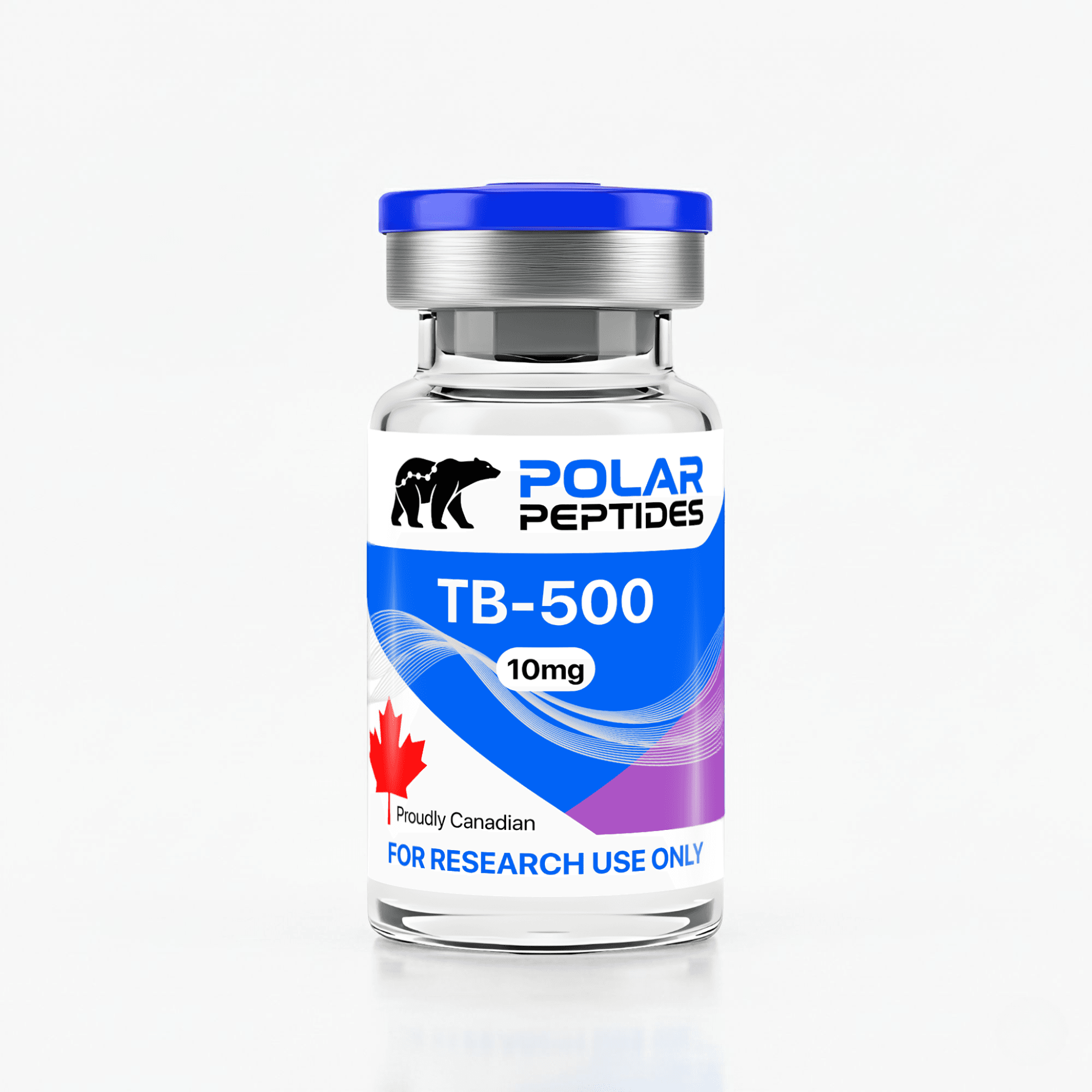
TB-500
A thymosin beta-4 fragment studied in the context of tissue regeneration and flexibility.
 99%+ purity
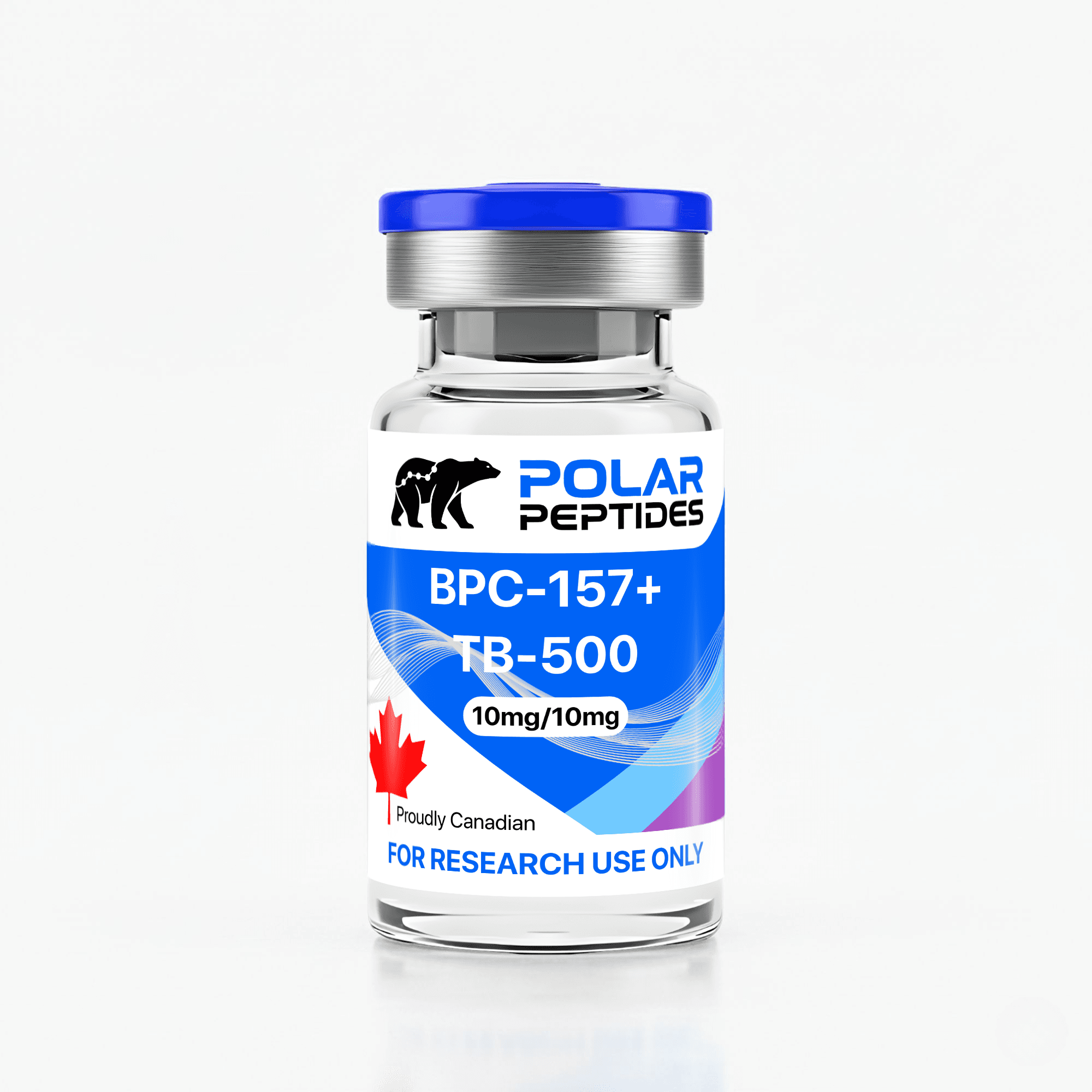
BPC-157 + TB-500
A combination of the two most popular recovery peptides in a single vial.
 99%+ purity
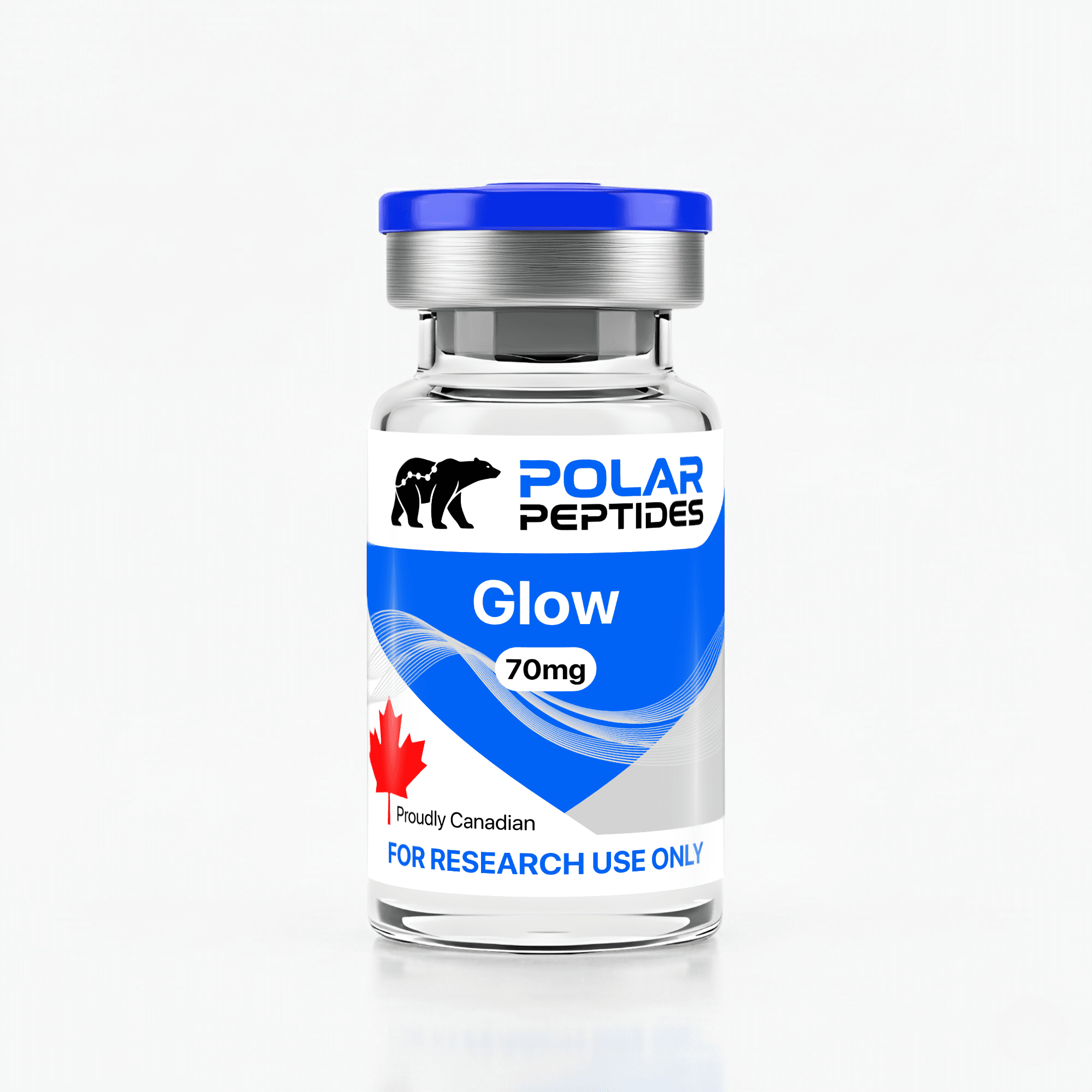
Glow
A comprehensive blend for recovery, skin and overall vitality.