
July 2, 2026 · 5 min read
How to Store and Reconstitute Peptides: A Step-by-Step Guide
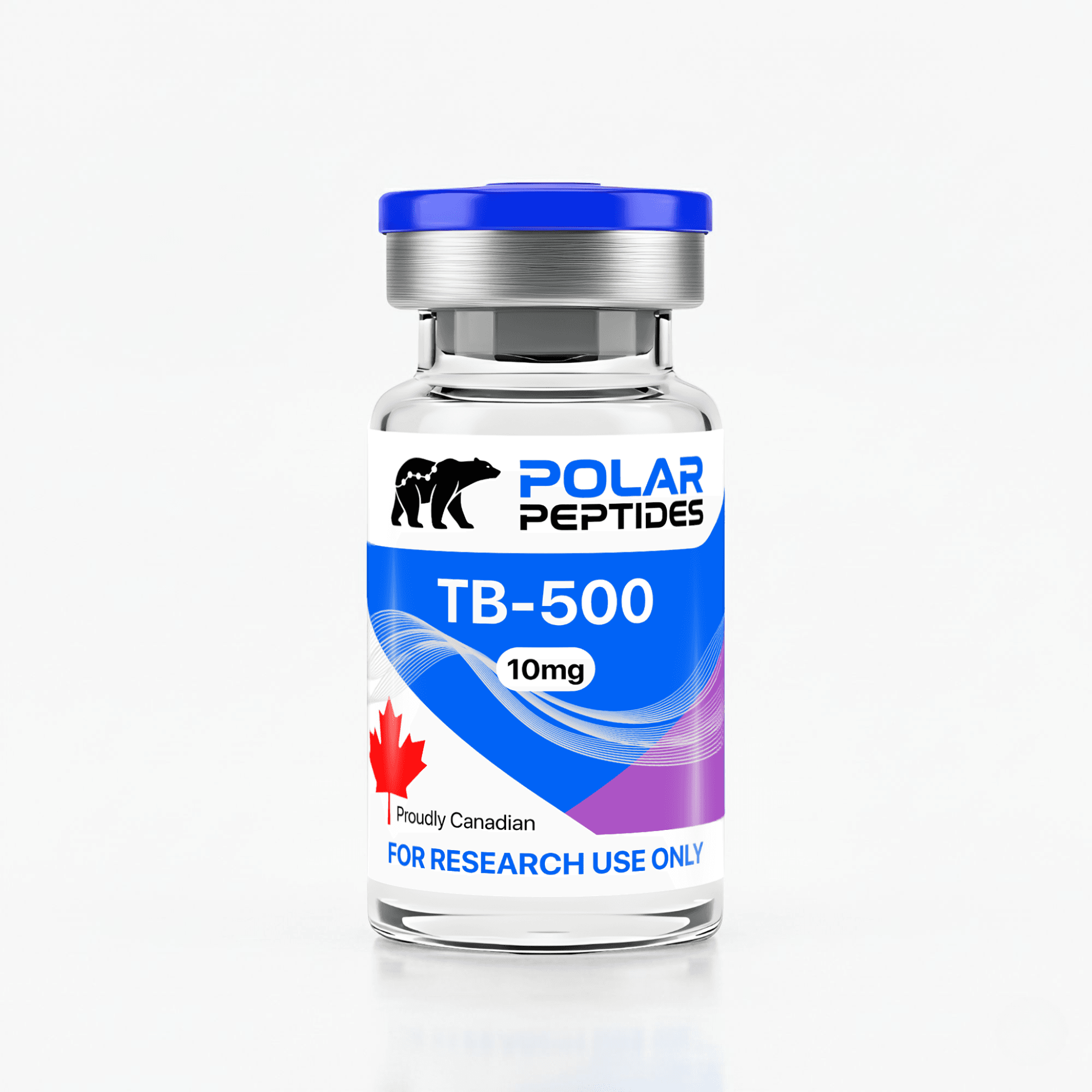
Proper storage and reconstitution determine whether a peptide keeps its structure intact. Here is a practical guide for work in laboratory settings.
Storing the lyophilisate (powder)
- Sealed lyophilised vial: a dry, cool, dark place;
- For long-term storage — the freezer;
- Avoid direct light and temperature fluctuations.
Reconstitution
Peptides are reconstituted using bacteriostatic water. Key rules:
- Add the water slowly down the side of the vial, not as a jet directly onto the powder;
- Do not shake — swirl the vial with gentle motions until fully dissolved;
- After reconstitution, store in the refrigerator at 2–8 °C.
Calculating the concentration
Concentration = amount of peptide (mg) divided by the volume of water (ml). Decide on the volume you need in advance so that measurements are easy to take.
Common mistakes
- Shaking the vial — this can damage the molecule;
- Storing the reconstituted solution outside the refrigerator;
- Using ordinary water instead of bacteriostatic water.
Everything you need — bacteriostatic water and consumables — can be ordered from the Supplies section.
This material is for informational purposes only. All Polar Peptides products are intended solely for laboratory research and not for human consumption or medical or diagnostic use.